
The Rise of Finfluencers: Pros, Cons, and How to Tell Good Advice from Bad.
In today’s digital landscape, finfluencers on platforms like YouTube and Instagram are reshaping how we access financial advice. While they offer relatable insights and democratise wealth creation, the risk of misleading advice—like oversimplified strategies and promises of guaranteed returns—can be perilous. This blog will guide you through the pros and cons of following finfluencers, helping you spot red flags and verify credentials, so you can confidently navigate your financial journey.
Key Takeaways:
- Finfluencers offer accessible financial advice and foster community engagement, making financial literacy more relatable for the masses.
- However, their content can oversimplify complex topics and may carry hidden biases, making it crucial to discern between valuable guidance and misleading trends.
- To identify trustworthy finfluencers, verify their credentials, cross-reference information, and be wary of sensationalism in financial advice.
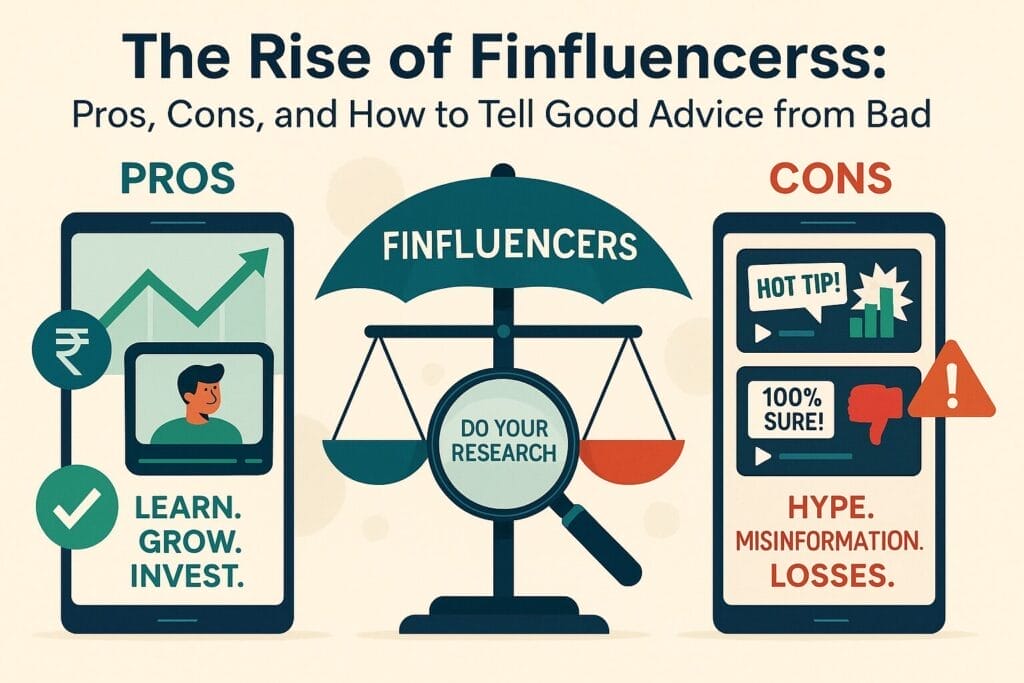
What are Finfluencers and Why are They Popular?
Finfluencers have really become a big deal in the financial world. They’re using platforms like Instagram, TikTok, and YouTube to share insights and advice that connect with a wide audience.
If you’re a young investor, you might find their relatable personas especially appealing.
Defining Finfluencers in the Digital Age
Finfluencers are those individuals who take to social media to share financial insights, mixing education with a dash of entertainment. They’ve carved out a niche that appeals to everyone, whether you’re just starting out or you’re a seasoned investor.
You’ll find them mainly on platforms like YouTube, TikTok, and Instagram, where they showcase their content. Their educational content often features tutorials on budgeting or stock investing, while lifestyle posts highlight everyday financial decisions, helping to make complex topics relatable. This mix not only demystifies finance for you but also encourages informed investing.
What are the Pros of Following Finfluencers?
The rise of finfluencers has really brought some great benefits, especially when it comes to making financial advice more accessible and relatable for you.
In a world where traditional financial literacy can sometimes feel out of reach, having these influencers around is quite essential. They’re making it easier for you to understand important financial matters.
Accessibility of Financial Advice for the Masses
Finfluencers have really opened up the world of financial advice for you, making it much more accessible. With various platforms available, you can delve into financial concepts without feeling overwhelmed by all the intimidating jargon that usually accompanies traditional financial services On Instagram, you’ll find infographics and carousel posts from accounts like @richboyzofficial that simplify investing basics with eye-catching graphics.
These formats not only capture your attention but also encourage you to share the content, helping it reach even more people. If you’re looking to create your own engaging visuals, tools like Canva can assist you in whipping up some stunning graphics, whilst Youtube’s editing features make video creation an enjoyable experience.
By keeping things relatable, these platforms really demystify finance, making it easier for you and others to understand complex concepts.
Relatability and Community Engagement
The relatability of finfluencers creates a community vibe that encourages you to share your own financial journey. It’s all about enhancing collective learning and support, isn’t it? This engagement often occurs through personal storytelling and Q&A sessions, where finfluencers open up about their financial struggles and successes.
For example, when a popular finfluencer talks about how they tackled their debt using budgeting techniques, it can inspire you and others to share similar experiences. Additionally, by encouraging user-generated content like testimonials or tips, they really strengthen those connections.
When a finfluencer highlights a follower’s success story, it can change how you view complex financial topics, making them feel much more accessible and relatable. Ultimately, this helps build a trusting community where everyone feels supported.
What are the Cons of Following Finfluencers?
While finfluencers can offer some valuable insights, you should be aware of the significant drawbacks. They often oversimplify complex financial concepts, which can lead to misunderstandings.
Furthermore, there is always the possibility of hidden biases that could mislead inexperienced investors like yourself.
Oversimplification of Complex Financial Concepts
Finfluencers often have a talent for breaking down complex financial concepts into bite-sized pieces, but this can sometimes mislead you into thinking you fully grasp intricate topics when, in reality, you might be missing the underlying risks and nuances.
Take day trading advice, for instance. Influencers might hype up the idea of quick profits, but they often skip over the high risks of losses and the critical need for proper risk management. This kind of oversimplification can lead to some rather dangerous pitfalls for those new to investing.
Instead, why not delve into more detailed resources like “The Intelligent Investor” by Benjamin Graham? Or check out online courses from reputable platforms like Coursera. Engaging in community discussions on sites like Investopedia can also help you deepen your understanding and glean insights from seasoned investors, enableing you to make more informed decisions.
Hidden Biases and Conflicts of Interest
You might notice that many finfluencers don’t always disclose their financial affiliations or sponsorships, which can lead to hidden biases that could compromise the integrity of the advice they offer.
To spot these potential biases, start by analysing their content for any signs of undisclosed affiliations. Keep an eye out for mentions of sponsored products or an unusual level of enthusiasm for certain platforms—these could hint at some compensation behind the scenes.
It’s a good idea to cross-reference their recommendations with reputable financial sources to see if they align.
Using tools like Followerwonk can help you check their social media transparency and reveal whether they consistently promote affiliates. And pay attention to their tone when they discuss high-risk assets; vague warnings might signal that they’re not genuinely concerned about their audience’s well-being.
How Can You Identify Red Flags in Financial Advice?
It’s really important for you to spot red flags in financial advice to protect yourself from misleading information and potential financial losses, especially in today’s crowded digital world where credibility varies widely.
Signs of Misinformation and Inexperience
You’ll want to watch out for common signs of misinformation, such as overly simplistic explanations, a total lack of credible sources, and ignoring the inherent risks that come with investment strategies.
Keep an eye out for red flags, too, such as sensational language and sweeping generalisations that skip over the details. For instance, if you come across an article saying, “everyone will make a fortune” from a particular stock, it’s time to raise an eyebrow. When you see data or statistics without citations, it usually means the author is either inexperienced or just making things up.
To combat misinformation, make it a habit to verify claims by checking them against reputable financial news outlets. And when tackling more complex strategies, don’t hesitate to consult with professionals. If the content feels off, take a critical approach to the source and look for additional perspectives.
Recognising Clickbait and Sensationalism
Clickbait titles and sensational claims can really draw you in, but they might also lead you to some dubious financial advice. That’s why it’s very important to know how to tell the difference between catchy headlines and genuine, valuable content.
To figure out what’s true behind those headlines, start by checking the source’s credibility. Look for established financial publications—they tend to have stricter editorial standards and are less likely to mislead you. Then, take a close look at the claim itself. If it sounds too good to be true, it probably is. For example, if you come across something promising “Guaranteed 200% returns,” it’s a good idea to check that against industry benchmarks to spot any inconsistencies.
You can also use tools like Snopes or FactCheck.org to help validate any questionable assertions. And when you’re in doubt, it’s always a wise move to consult a financial adviser before acting on any sensational content.
How to Verify Credentials of Finfluencers?
Verifying the credentials of finfluencers can really help you ascertain who has genuine expertise and who might be leading you astray.
It’s all about ensuring you’re following advice from credible sources that you can trust.
Checking Professional Backgrounds and Certifications
When you’re checking out the professional backgrounds of finfluencers, it’s all about digging into their certifications and any financial qualifications that back up their advice.
Start by visiting their LinkedIn profiles to verify their work experience and endorsements. Keep an eye out for recognised certifications like Chareterd Wealth Manager (CWM) or Certified Financial Planner (CFP) or Chartered Financial Analyst (CFA), which show they know their stuff.
Next, take a look at certification bodies like the AAFM or CFP Board or CFA Institute to confirm that their status is active. Also Check on SEBI Website.
This thorough approach helps you connect with knowledgeable and trustworthy financial influencers.
Assessing the Quality of Their Content
When you’re assessing the quality of finfluencer content, it’s important to look at how deep the information goes and whether their financial claims are accurate. To make sure you’re getting reliable insights, cross-reference what you find with reputable financial education resources like Investopedia or the CFA Institute.
Look for evidence that backs up their claims. For instance, if a finfluencer talks about specific investment strategies, check them against established literature or expert opinions to see if they hold water. Don’t forget to review user feedback and engagement metrics; high engagement rates can be a good sign of trustworthiness, but pay attention to the nature of the comments as well.
You might also want to utilise tools like BuzzSumo to analyse how viral the content is and how audiences are interacting with it. This way, you can ensure you’re soaking up quality advice and not just the latest buzz.
What are the Best Practices for Consuming Financial Content?
To effectively navigate the vast landscape of financial content, you need to adopt best practices that encourage knowledge-based decision making and enhance your financial literacy.
Cross-Referencing Information from Multiple Sources
Cross-referencing financial information from multiple credible sources is a clever move to reduce the risk of misinformation and gain a better understanding of those tricky financial topics.
To effectively cross-reference financial information, start by identifying reputable sources.
- Consider using financial news outlets like Bloomberg or Reuters for real-time updates.
- Then, double-check your findings against educational websites like Investopedia, where they break down complex terms in a way that genuinely makes sense.
This approach not only enhances your knowledge but also helps you identify any discrepancies in the data, providing you with a clearer picture of the financial landscape.
Understanding Your Own Financial Goals and Needs
Understanding your financial goals and needs is key when you’re diving into financial content. It ensures the advice you follow actually fits your unique situation.
Start by taking a good look at your financial health with a budgeting tool like Mint or YNAB (You Need A Budget). These can help you keep track of your income and expenses.
Next, jot down your short-term and long-term goals—whether that’s saving for a cosy home or planning for retirement—on a simple worksheet. This will help you figure out what you need to focus on financially.
Make it a habit to review this information regularly, so you can adjust your strategies as your circumstances change. This way, the financial advice you follow will always be in line with your evolving needs.
How Do Finfluencers Impact Traditional Financial Advice?
The influence of finfluencers on traditional financial advice is quite significant, often shaking things up and pushing financial institutions to rethink how they connect with you.
Take banks like JPMorgan Chase, for example. They’ve started teaming up with popular finfluencers to connect with younger audiences. Recently, they partnered with TikTok creators to break down the importance of financial literacy in a way that feels relatable and genuine.
Goldman Sachs is on the same wavelength, launching initiatives that focus on social media engagement. They use eye-catching infographics and short videos to explain complex information in a digestible manner.
This shift shows that institutions are no longer just shouting their messages into the void; they’re actively joining the conversation. By leveraging the authenticity and relatability of finfluencers, they’re building trust and community with their target demographics.
What Future Trends Can We Expect in Financial Influencing?
As the digital landscape continues to evolve, the future of financial influencing is set to change significantly. You will likely notice trends pointing towards increased regulatory oversight and a strong push for greater transparency among content creators.
Emerging regulatory frameworks might require you, as a financial influencer, to disclose any affiliations you have and provide evidence for the claims you make, much like the guidelines issued by the FTC. Therefore, getting a handle on local regulations will be crucial for remaining compliant.
Consumer behaviour is shifting, with more people seeking reliable and accountable advice. This means you will want to prioritise authenticity in your content. Tools like Hootsuite Insights can help you track audience sentiment, while platforms like LinkedIn and Instagram are perfect for building trust through open dialogues.
This focus on accountability will reshape your content strategies, pushing you towards value-driven and trustworthy recommendations.
Frequently Asked Questions
What are finfluencers and why has their popularity surged?
Finfluencers, or financial influencers, are individuals who share financial advice, investment tips, and money management strategies primarily through social media platforms. Their popularity has surged due to the increasing accessibility of financial information, the relatability they offer, and the growing interest in personal finance among younger audiences. The rise of finfluencers has opened the doors to financial education, making complex topics more digestible for the general public.
What are the pros of following finfluencers for financial advice?
One of the main pros of following finfluencers is the accessibility they provide to financial education. They often present information in a relatable manner, making it easier for people to understand complex financial concepts. Additionally, finfluencers may share personal experiences and real-life examples, which can motivate and inspire individuals to take control of their finances. Their presence on social media also allows for community engagement and support.
What are the cons associated with the rise of finfluencers?
Despite the benefits, there are several cons to consider with the rise of finfluencers. One significant drawback is the potential for oversimplification of complex financial topics, leading to misinformation. Many finfluencers lack formal qualifications, which can result in hidden biases and unverified advice. This can pose risks for followers who may make uninformed financial decisions based on the trends promoted by these influencers.
How can I tell good advice from bad advice among finfluencers?
To distinguish good advice from bad in the realm of finfluencers, start by verifying their credentials. Look for backgrounds in finance, economics, or related fields. Additionally, check for transparency in their content; credible finfluencers often disclose any partnerships or sponsorships. Furthermore, pay attention to the consistency and depth of their advice—good financial advice should be well-researched, nuanced, and tailored to various financial situations rather than one-size-fits-all solutions.
Are there any red flags to watch out for when following finfluencers?
Yes, there are several red flags to be aware of when following finfluencers. Be cautious if an influencer makes unrealistic promises of quick wealth or guaranteed returns, as these are often signs of scams. Additionally, if they frequently promote products or services without clear reasoning or evidence, this may indicate bias. Lastly, a lack of engagement with their audience or failure to address questions and concerns can also be a warning sign of unreliable advice.
What steps can I take to responsibly follow finfluencers for financial advice?
To responsibly follow finfluencers for financial advice, start by diversifying your sources of information. Don’t rely solely on one influencer; instead, seek out multiple perspectives to form a well-rounded view. Engage with the content critically, and cross-reference their advice with reputable financial resources. Finally, consider consulting with a certified financial advisor for tailored guidance, especially for significant financial decisions. This balanced approach can help mitigate risks associated with the rise of finfluencers.