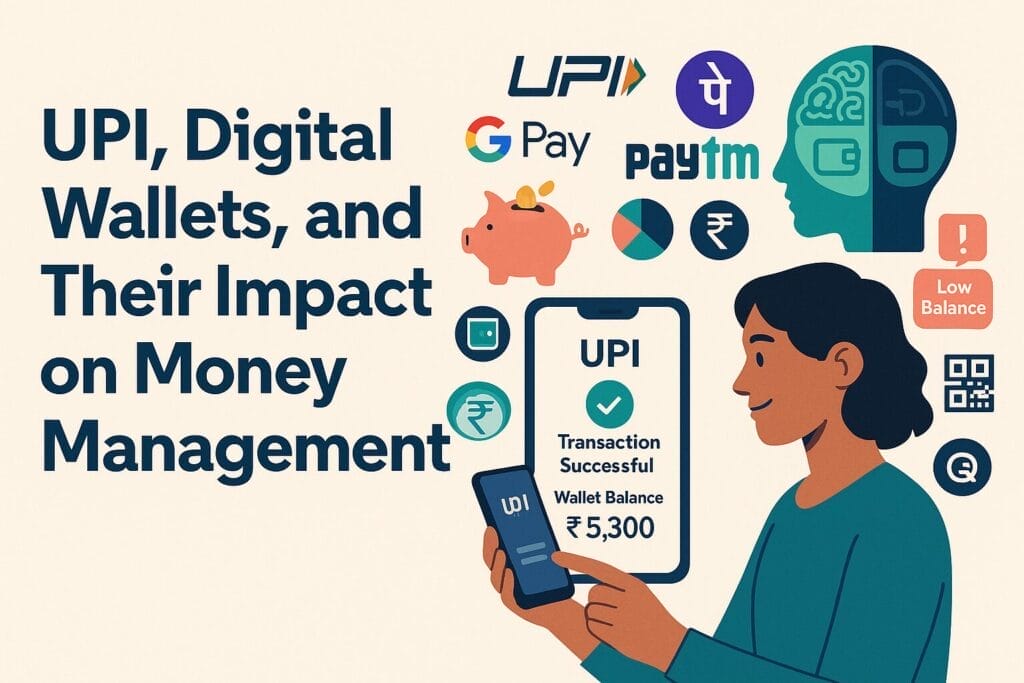
UPI, digital wallets, and their impact on money management. In India’s fast-paced cashless shift, UPI and digital wallets like Paytm have turned your smartphone into a seamless financial powerhouse, enabling instant payments and NFC-based retail transactions. But that frictionless ease? It often fuels invisible spending and impulse buys, blurring your budget lines. Discover how to leverage these tools for smarter tracking and control, turning potential pitfalls into empowered money management. Key Takeaways: UPI and digital wallets simplify money management by enabling instant, contactless transactions and real-time expense tracking, turning smartphones into efficient financial tools for everyday users. Frictionless payments from these platforms can lead to psychological shifts, encouraging invisible spending and impulse purchases by removing the tangible feel of cash. To harness benefits while curbing overspending, set spending limits, use budgeting apps integrated with UPI wallets, and regularly review transaction histories for mindful habits. What is UPI and How Does It Work? You know UPI, right? It’s this game-changer developed by NPCI that’s totally revolutionised payments in India, letting you zip money instantly from your smartphone. It’s handled a massive ₹21.48 trillion in retail transactions and is really kickstarting that whole cashless economy vibe. Core Features Enabling Instant Transactions You know, UPI’s got these cracking core features like QR code scanning and biometric authentication that make your payments super quick and secure—handling over 9 million transactions every day across India. Let’s break it down a bit: UPI runs on four main technical tricks to keep everything running smoothly. It works brilliantly on both Android and iOS smartphones, and developers can integrate it easily through APIs. For even more safety, make sure to enable two-factor authentication in apps like PhonePe. Oh, and just a heads-up—RBI rules limit most users to ₹1 lakh per day, based on their 2023 guidelines. Understanding Digital Wallets: From Setup to Usage You know, digital wallets basically transform your smartphone into a super handy financial gadget by keeping your payment details safe and sound. They’re a game-changer for India’s big push towards going cashless, making life easier with apps like Paytm. Popular Options Like Paytm and Google Pay If you’re navigating India’s buzzing digital payment scene, you’ll see heavy hitters like Paytm, Google Pay, and PhonePe leading the pack. Each one brings its own perks, like tailored reward programmes and smooth UPI integration that make your everyday transactions a breeze. Let me break down the basics for you in a simple comparison: If you’re just starting out, go with Google Pay – its straightforward setup takes under 5 minutes and feels like a walk in the park. For power users who want to keep tabs on every expense, Paytm’s advanced tracking is a game-changer. And when you need to zap those utility bills quickly, PhonePe has you covered. From what NPCI reports say, these apps keep things user-friendly with tons of support, and they’ve roped in over 9 million merchants. That push helped skyrocket digital payment adoption by 40% back in 2023. How Do UPI and Digital Wallets Enhance Daily Money Management? You know how UPI and digital wallets make handling your daily money a breeze? They give you real-time visibility into your spending, turning your smartphone into a command centre for tracking that massive ₹21.48 trillion in annual transactions. To tap into all this, just follow these easy steps to get set up. The whole setup should only take you 10-15 minutes. Watch out for slip-ups like forgetting to unlink old accounts, which might lead to surprise overspending—instead, set some RBI-compliant spending limits to stay in control. According to NPCI data, doing things this way can help you slash those unnecessary expenses by 20-30%. Key Benefits: Convenience and Real-Time Expense Tracking You know, UPI and digital wallets make life so much easier with their instant transactions and real-time expense tracking, which can cut down your management time by up to 50% if you’re in India. Take UPI, for example—it handled a whopping ₹21.48 trillion in FY23 according to NPCI data, all for that seamless efficiency. Picture this: you’re a commuter grabbing a quick ₹50 coffee and just tap your PhonePe app on NFC—it pays in seconds and logs everything automatically, no receipts needed. Here are some key perks you’ll love: In the end, you’ll save ₹500-1000 a month on fees compared to traditional banks, and snag 2-5% cashback from those sweet rewards programmes. What Psychological Shifts Occur with Frictionless Payments? You know how those super-smooth payments through UPI and digital wallets have totally messed with your spending habits? Transactions start feeling less “real” without the crinkle of cash in your hand, which ramps up those impulse buys big time. This whole shift spotlights three key headaches for you. How Invisible Spending Leads to Impulse Purchases You know how invisible spending in your digital wallet sneaks up on you, quietly draining your cash and pushing you towards those impulse buys that can bump up your monthly expenses by a whopping 25% in India’s shift to a cashless world? That lack of transparency shows up in a few sneaky ways. And don’t get me started on how glued you get to your device during sales events—it amps up the spending. Beat it by doing quick weekly budget check-ins with apps like Money View to get those timely alerts. Strategies to Harness Benefits While Curbing Overspending You can balance the perks of UPI and digital wallets—like that sweet convenience—with smart ways to rein in overspending, all by using tools that promote mindful financial habits in your everyday Indian transactions. Here are five practical steps you can put into action: Urban households that go all-in on QR-code-only zones have seen impulse purchases drop by 30%, according to a 2023 Nielsen study. The Transformation of Smartphones into Financial Hubs in India In India, your smartphone has basically turned into a supercharged financial command centre with UPI and digital wallets, letting you handle instant payments and tap into global stuff for over 500 million users just like you. This shift really